
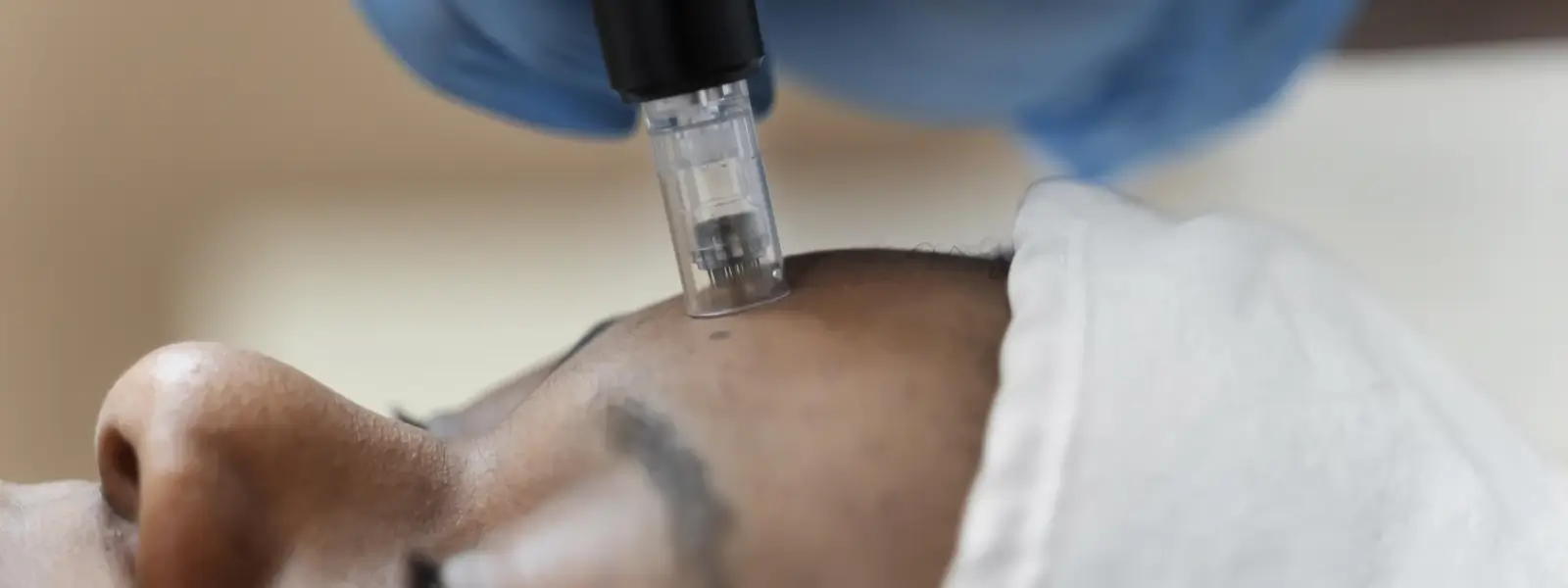
With the rise of at-home clinical skincare, Dr. Pen auto-microneedling devices have become the go-to tool for improving skin texture, fading acne scars, and anti-aging. However, with an extensive lineup of 19 different replacement cartridges (including 12 microneedling variations and 7 tattoo needles), many users find themselves asking: Which cartridge is right for me?
Don’t worry. This detailed guide will decode the science behind microneedling cartridges, helping you build the perfect treatment plan based on your unique skin concerns.
Why Ditch the Derma Roller for Dr. Pen?
Before diving into cartridge selection, it is important to understand why so many skincare enthusiasts are upgrading from traditional manual derma rollers to Dr. Pen devices.
- No More Skin Tearing: Traditional derma rollers enter and exit the skin at an angle as they roll, which can drag and tear the skin, causing unnecessary trauma and pain. Dr. Pen utilizes a vertical stamping motion. This electric up-and-down movement creates precise, clean micro-channels, significantly reducing pain and downtime while safely stimulating collagen.
- Adjustable Depths: A derma roller has a fixed needle length. Your facial skin, however, varies drastically in thickness (e.g., your under-eyes are much thinner than your cheeks). Dr. Pen allows you to adjust the needle depth on the fly, meaning one device can safely treat your entire face and body.
- Reaching the Unreachable: The small, concentrated tip of a Dr. Pen cartridge can easily navigate hard-to-reach areas like the sides of the nose, the orbital bone, and laugh lines—areas where bulky rollers simply cannot fit.
To get the most out of your microneedling sessions, you need to evaluate four key factors: Pin Count, Needle Length, Speed, and Needle Thickness.
Rule 1: Pin Count (More Isn’t Always Better)
A common misconception is that more needles equal a better treatment. In reality, it comes down to physics. A higher number of needles creates a larger surface area, which actually distributes the pressure and reduces the pain. Fewer needles, conversely, penetrate more easily and deeply, making them ideal for severe skin issues.
Here is how to match the pin count to your goals:
- Deep Repair (9, 11, and 12 Pins): These offer the strongest penetration. They are perfect for targeting deep, stubborn problems like pitted acne scars, severe stretch marks, deep wrinkles, and surgical scars.
- Overall Skin Improvement (16, 18, 24, 36, and 42 Pins): These are the most versatile options. They are excellent for treating superficial acne marks, shrinking pores, reducing pigmentation, hydrating the skin, and overall facial rejuvenation.
- Non-Invasive Care (Nano S, Nano R, Nano 3D, and Nano 5D): Nano cartridges do not puncture the epidermis. Instead, they gently exfoliate and dramatically boost the absorption of your skincare serums. They are perfect for beginners, daily care, under-eye treatments, clearing closed comedones, and even lip plumping.
Rule 2: Needle Length (Balancing Safety and Results)
The length of the needle dictates which layer of the skin you are targeting. General Rule of Thumb: Needle lengths under 0.75mm are generally safe for home use, while anything 1.0mm or longer should be approached with extreme caution or left to professionals.
Here is a quick cheat sheet for needle lengths based on your treatment goals:
- Nano, 0.2mm – 0.3mm: Epidermal maintenance. Ideal for sensitive areas (eye wrinkles, dark circles, eye bags), boosting hair and beard regrowth, and everyday serum infusion.
- 0.3mm – 0.75mm: Superficial treatments. Best for shrinking pores, lightening hyperpigmentation, evening out skin tone, reducing fine lines, and general facial moisturizing.
- 1.0mm – 3.0mm: Deep dermal treatments (expect pinpoint bleeding). Used strictly for deep acne pits, stubborn stretch marks, severe cellulite, deep wrinkles, and scar/tattoo removal.
Rule 3: Operating Speed
Devices like the Dr. Pen M8S, M8, M7, and A1 feature adjustable speed settings. The general rule is: The longer the needle, the higher the speed required. Faster speeds create more micro-channels per second and prevent the needles from dragging when working at greater depths.
Recommended Speed Settings by Treatment Area:
| Treatment Area | Recommended Speed Level |
|---|---|
| Lips | Level 1 – 2 |
| Around the Eyes | Level 2 – 3 |
| Forehead / Nose | Level 4 – 5 |
| Cheeks | Level 4 – 5 |
| Scar Treatment | Level 5 – 6 |
| Stretch Marks | Level 6 – 7 |
Rule 4: Needle Thickness (Gauge)
If you have a low pain tolerance or are nervous about your first microneedling session, pay attention to needle thickness. Newer Dr. Pen models and upgraded cartridges feature ultra-fine needle gauges. Thinner needles cause significantly less trauma and discomfort while delivering the same exact collagen-boosting benefits, leading to a much more comfortable experience and faster recovery times.
Final Thoughts
Selecting the right Dr. Pen cartridge is all about identifying your primary skincare goal. If you are a complete beginner, start with a Nano or 36-pin cartridge set at a shallow depth (0.25mm) and a high-quality hyaluronic acid serum. Once your skin builds tolerance and you become more confident with the device, you can begin exploring deeper depths and lower pin counts for targeted repair.
Safety Note: Always use a brand new cartridge for every session to prevent infection, never share your cartridges with anyone else, and adhere strictly to pre- and post-care sanitation protocols.